
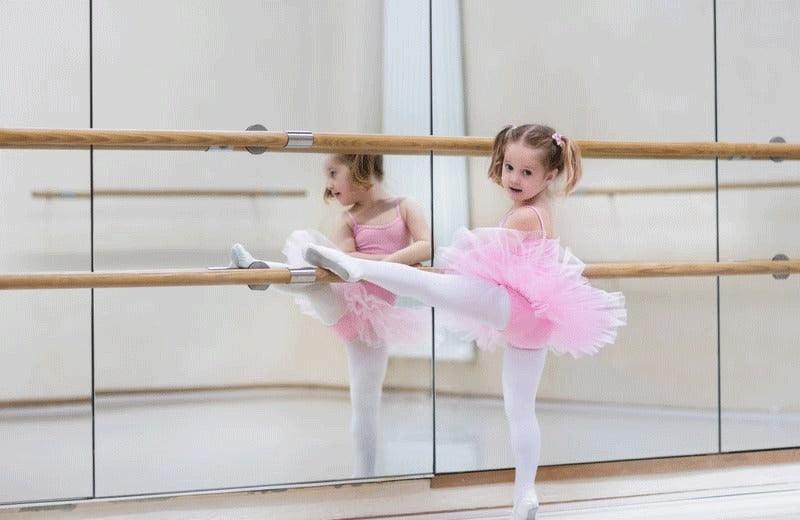
Ballet and Its 7 Benefits
Like any other dance form, ballet is combined with music and offers many health benefits. It conveys emotions and stories through graceful movement and expression. All dance forms develop physical strength, mental focus, imagination, and memory in children. While ballet is visually beautiful like other dance styles, it stands apart due to its elegance, discipline, and structured technique.
What is Ballet?
Ballet is a theatrical dance form performed with music, scenery, and costumes. It often tells a story and creates an emotional atmosphere. Ballet requires grace, precision, discipline, and control. It is typically performed using pointed shoes and structured movements, making it one of the most refined and expressive dance forms.
Ballet is considered the foundation of many other dance styles. Children who wish to explore other dance forms benefit greatly from ballet training, as it builds strong technique, posture, and coordination. Ballet classes help children develop strength, flexibility, confidence, and social skills while laying a solid base for future dance learning.
1. Improves Flexibility
Ballet movements and stretches keep the body healthy and flexible. Instructors teach various stretching techniques, such as butterfly stretches for hip and inner thigh flexibility, pike stretches for hamstrings, and straddle stretches for splits. These exercises help children stay energetic, active, and flexible.
2. Builds Discipline
Ballet classes require focus, structure, and attention to detail. Each movement is systematic and rhythmic, and students learn to follow instructions carefully. Ballet often tells a story through movement, requiring precise posture and expression, which helps children develop discipline and self-control.
3. Increases Confidence
Ballet is not an easy dance form. It requires concentration, strength, and practice. Performing on stage can be challenging, but ballet training helps children overcome stage fear and nervousness. With guidance and practice, children gain confidence and self-belief.
4. Develops Social Skills
Ballet is often performed in groups, encouraging teamwork, cooperation, and communication. Children interact with classmates, share ideas, and support one another, helping them build strong social and communication skills and become more socially connected.
5. Enhances Creativity
Ballet allows children to express their emotions, thoughts, and ideas through graceful movement. It provides a unique platform for creative expression and helps children develop imagination and artistic sensitivity.
6. Strengthens Muscles
Ballet training strengthens muscles, improves posture, and increases body control. The physical techniques taught in ballet classes help children stay fit, strong, and healthy while developing endurance and balance.
7. Improves Mental Health
Ballet enhances focus, concentration, and brain development. The combination of music, movement, and imagination improves mood and reduces stress, anxiety, and depression. Ballet classes keep children active, positive, and mentally refreshed.