
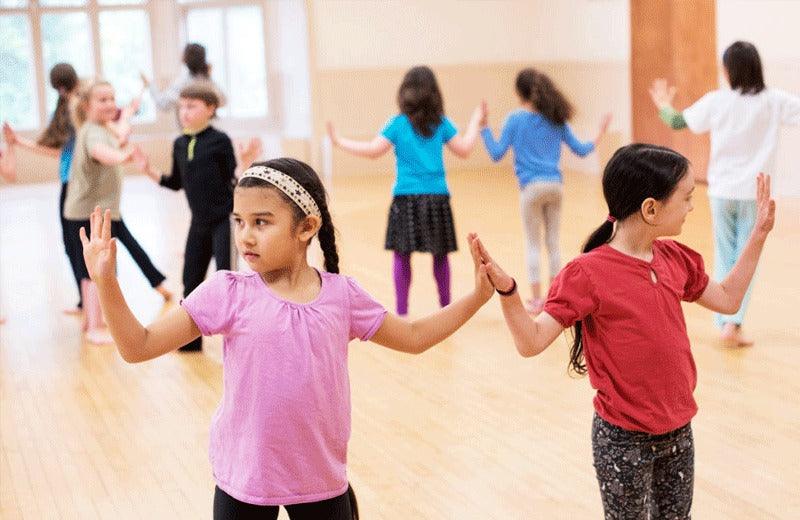
Parents aim to nurture their child’s artistic talents while also developing strong social communication skills. Dance plays an important role in shaping children into responsible, confident individuals who can contribute positively to society. Dance increases physical activity and improves social skills. In dance classes, children become more energetic and active, improving flexibility, range of motion, balance, and muscle strength. Dance also helps them develop coordination through varied movements and steps.
Through movements and expressions, students learn essential social skills such as acceptance, respect, teamwork, and cooperation. Dancing with others and helping peers understand steps builds a helpful and caring attitude. These social developments lead to healthy relationships and positive interactions with others.
Dance classes promote social engagement and teach important life skills such as respect, teamwork, and confidence. There are many forms of dance, and each plays a vital role in the social and emotional development of children. Dance provides a platform for expressing ideas, thoughts, and emotions creatively. It allows children to release emotional and physical stress and communicate messages through movement without using words.
Many dance forms require partners or group participation, which strengthens communication, coordination, cooperation, and teamwork. Dancing in pairs or groups enhances interaction and builds strong connections among students.
Dance classes require discipline and focus. Children learn to follow instructions, control emotions, and stay attentive. This improves behavior, emotional control, and self-discipline. Dance helps children develop the ability to concentrate, ignore distractions, and handle challenging situations calmly and confidently.
Dance also teaches acceptance and understanding. As a universal language, it connects people across cultures and lifestyles. Dance classes provide opportunities to interact with diverse groups, helping children develop empathy, respect, and emotional intelligence.
Dance is often performed in public, giving children a chance to express creativity before an audience. Well-organized movements and expressions lead to appreciation, which boosts confidence and happiness. Performing and receiving positive feedback helps children grow in confidence and learn to face life’s challenges.
Dance provides fun, entertainment, and physical fitness while helping maintain a healthy lifestyle. It burns calories, prevents unwanted weight gain, and allows children to express their emotions and ideas through movement. Beyond entertainment and health benefits, dance plays a powerful role in developing social and emotional skills, offering children complete and well-rounded growth.